
Winter Storage Guide: How to Properly Store Your Project Car for the Off-Season
Winter Storage Guide: How to Properly Store Your Project Car for the Off-Season
Storing a project car for winter is not as simple as parking it and walking away. Six months of sitting can cause fuel degradation, battery discharge, tire flat spots, brake rotor rust, and rodent damage that costs hundreds of dollars to repair. This guide covers the complete storage preparation process and the spring startup checklist.
Pre-Storage Checklist
Fuel System
Old fuel is the most common cause of storage-related problems. Gasoline begins to degrade in as little as 30 days, leaving varnish deposits in the fuel system that clog injectors and carburetors.
Treatment options:
Fuel stabilizer (recommended for most cars): Add STA-BIL 360 Protection at the rate of 1 oz per gallon, fill the tank completely to minimize air space, and run the engine for 10 minutes to distribute the stabilizer through the fuel system.
Drain the fuel system (recommended for carbureted cars and race cars): Drain the tank completely and run the engine until it dies from fuel starvation. This eliminates all fuel from the system.
Battery
A discharged battery sulfates and loses capacity permanently. Two options:
- Battery tender (recommended): Connect a Battery Tender Plus to maintain the battery at full charge throughout storage. These smart chargers will not overcharge.
- Remove and store indoors: Store the battery in a heated space and charge monthly.
Tires
Tires develop flat spots when a car sits on the same contact patch for months. Prevention options:
- Inflate tires to maximum sidewall pressure (not normal driving pressure) to reduce flat spotting
- Use tire cradles or foam pads under each tire
- Jack the car onto jack stands to remove weight from tires entirely (best option for long-term storage)
Brakes
Apply the parking brake lightly — or not at all — during storage. Parking brakes left engaged for months can seize. Instead, use wheel chocks to prevent movement.
Coat exposed rotor surfaces with a light film of WD-40 or dedicated rotor protectant to prevent surface rust.
Fluid Changes
Change oil before storage, not after. Used oil contains combustion byproducts that are acidic and will corrode engine internals during storage.
Rodent Prevention
Rodents cause thousands of dollars in wiring damage every year. Prevention measures:
- Stuff exhaust pipes and air intake with steel wool
- Place rodent deterrent pouches inside the cabin and engine bay
- Set snap traps around the perimeter of the storage area
- Do not store food or pet food near the vehicle
Exterior Protection
Wash and wax the car before storage. Apply a breathable car cover — not a plastic tarp, which traps moisture and causes rust.
Spring Startup Checklist
Before starting after winter storage:
- Remove all plugs from exhaust and intake
- Check oil level and condition
- Check coolant level
- Inspect for rodent damage (wiring, hoses, insulation)
- Check tire pressure and inspect for flat spots
- Connect battery or install charged battery
- Check brake pedal feel before driving
- Drive gently for the first 10 minutes to allow all fluids to circulate
Amazon Picks
STA-BIL 360 Marine Fuel Stabilizer provides the best protection for ethanol-blended fuels. The Battery Tender Plus 1.25A is the most reliable smart charger for long-term storage.
Recommended for This Topic
Amazon Affiliate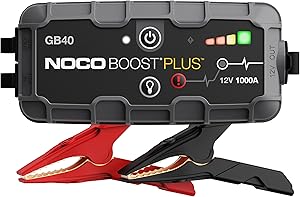
NOCO Boost GB40 1000A Jump Starter
$99.95
Buy on Amazon
Hobart Handler 140 MIG Welder
$549.00
Buy on Amazon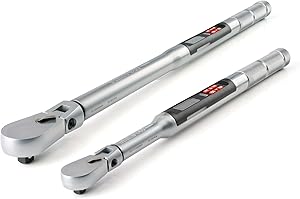
TEKTON Electronic Torque Wrench Set
$199.00
Buy on AmazonAs an Amazon Associate, AutoAnvil earns from qualifying purchases at no extra cost to you.