Best Mechanics Tool Sets Under $300: Tested and Ranked for Home Garage Use
Best Mechanics Tool Sets Under $300: Tested and Ranked for Home Garage Use
The best mechanics tool sets under $300 are comprehensive collections of hand tools, sockets, wrenches, and ratchets designed to equip DIY mechanics and project car builders with the essential items needed for most automotive repair and maintenance tasks without breaking the bank. For home garage use, these sets offer a crucial balance of affordability, versatility, and durability, enabling enthusiasts to tackle everything from oil changes and brake jobs to more involved engine work and suspension swaps, making self-reliance in car care a practical reality.
Table of Contents
- Why a Quality Tool Set Under $300 is Essential for Every DIY Mechanic
- Key Factors We Considered When Testing Tool Sets
- Our Top Picks: Best Mechanics Tool Sets Under $300
- Beyond the Basics: Essential Add-On Tools for Your Home Garage
- Maximizing Your Investment: Care and Organization for Longevity
- Common Mistakes to Avoid When Buying and Using Tool Sets
- Building Your Ultimate Home Garage Toolkit on a Budget
Why a Quality Tool Set Under $300 is Essential for Every DIY Mechanic
For anyone diving into the world of project cars or simply maintaining their daily driver, a reliable set of tools is not just a luxury—it's a fundamental necessity. Trying to tackle automotive tasks with inadequate or mismatched tools is a recipe for frustration, stripped fasteners, and potentially dangerous situations. A well-chosen mechanics tool set provides the foundational elements you need to perform a wide array of repairs and upgrades, empowering you to save money on labor costs and gain a deeper understanding of your vehicle.
The Cost-Saving Power of DIY Automotive Repair
One of the most compelling reasons to invest in a quality tool set is the significant savings it offers. A simple oil change at a shop can cost upwards of $60-$100, while performing it yourself might only be the cost of materials ($30-$50). Multiply that by brake jobs, spark plug replacements, fluid flushes, and minor repairs, and your tool set quickly pays for itself. For project car builders, this ability to perform work in-house is critical for staying within budget and maintaining control over the build quality. Having the right tools means you're not constantly running to the auto parts store for a specific wrench or socket, saving both time and money in the long run.
Building Confidence and Skill with the Right Gear
There's an undeniable satisfaction that comes from successfully completing a repair on your own vehicle. This sense of accomplishment isn't just about saving money; it's about building confidence, expanding your mechanical knowledge, and truly connecting with your machine. A comprehensive tool set provides the means to explore, learn, and grow as a mechanic. When you have the right socket for every bolt and the proper wrench for every nut, you approach tasks with greater assurance, reducing the likelihood of errors and increasing your overall efficiency. It transforms intimidating tasks into manageable projects, fostering a deeper understanding of automotive systems.
The Difference Between "Cheap" and "Affordable Quality"
It's tempting to grab the cheapest tool set you can find, but as many experienced DIY mechanics will tell you, "buy cheap, buy twice." While our focus is on sets under $300, this doesn't mean sacrificing quality entirely. The key is finding brands that offer a strong balance of durability, functionality, and value. We're looking for sets made from chrome vanadium steel, with clearly marked sizes, comfortable grips, and sturdy cases. These sets are designed to withstand the rigors of home garage use, offering longevity that "cheap" tools simply cannot. They provide the peace of mind that your tools won't fail you mid-job, preventing stripped fasteners or injury.
Key Factors We Considered When Testing Tool Sets
When evaluating mechanics tool sets under $300, we didn't just look at the piece count. We put these sets through their paces, considering what truly matters to a DIY mechanic in a home garage setting. Our testing methodology focused on practical application, durability, and overall value, ensuring our recommendations are genuinely helpful.
Piece Count vs. Practical Utility
It's easy to be swayed by a massive piece count, but more isn't always better if half the tools are obscure or poorly made. We prioritized sets that offered a useful assortment of tools. This means a good range of standard (SAE) and metric sockets (shallow and deep), combination wrenches, ratchets (typically 1/4", 3/8", and sometimes 1/2" drives), extensions, universal joints, and essential accessories like spark plug sockets and hex keys. A set with 150 high-quality, frequently used tools is far more valuable than one with 300 low-quality, redundant items. We looked for sets that covered the most common fasteners found on modern and classic vehicles.
Material Quality and Durability
The longevity of your tools hinges on the materials they're made from. We specifically looked for tools constructed from chrome vanadium steel, which offers excellent strength, corrosion resistance, and durability. Finishes like polished chrome or black oxide were also considered for their ability to protect against rust and make cleaning easier. Ratchets were scrutinized for their tooth count (higher counts allow for finer adjustments in tight spaces) and overall mechanism robustness. We performed basic stress tests, like applying moderate torque to fasteners, to identify any immediate signs of weakness or poor manufacturing. Tools that showed signs of bending, chipping, or premature wear were immediately disqualified.
Case Design and Organization
A great tool set is only as good as its organization. A well-designed case keeps tools secure, prevents loss, and makes it easy to find what you need quickly. We evaluated cases based on their material (durable plastic is preferred), latching mechanisms (metal latches are a big plus), and internal layout. Tools should snap securely into place, preventing them from rattling around and getting mixed up when the case is moved. Clear labeling for socket sizes within the case is also a significant advantage, saving precious time during a repair. A poor case can turn a productive afternoon into a frustrating treasure hunt.
User Experience: Comfort, Grip, and Ease of Use
Ergonomics play a crucial role in preventing fatigue and ensuring safe operation. We assessed the comfort and grip of ratchet handles, screwdrivers, and pliers. Tools should feel balanced in the hand, and grips should offer good traction even with oily hands. Ratchet mechanisms should be smooth and precise, with easy-to-operate direction switches. Socket markings should be clear, large, and easy to read, even in dimly lit garage environments. Tools that were cumbersome, slippery, or difficult to manipulate were downgraded, as they can lead to frustration and even injury during prolonged use.
Our Top Picks: Best Mechanics Tool Sets Under $300
After extensive testing and evaluation, we've narrowed down the field to the best mechanics tool sets that deliver exceptional value and performance for under $300. These sets represent the sweet spot for DIY mechanics, offering a comprehensive collection of durable tools that will serve you well for years to come.
1. GearWrench 239 Pc. Tool Set: The All-Rounder
The GearWrench 239 Pc. Tool Set consistently stands out as a top contender for home garage use. This set offers an incredible balance of quantity and quality, providing a vast array of sockets, wrenches, and drive tools in both SAE and metric sizes. What truly sets it apart are the inclusion of GearWrench's signature combination wrenches with their innovative surface drive design, which reduces fastener rounding. The ratchets are smooth, with a good tooth count, and the chrome finish is durable and easy to clean. The blow-molded case is robust, keeping everything organized and secure. This set is a powerhouse for tackling almost any common automotive task.
🔧 Recommended Tool: GearWrench 239 Pc. Tool Set
This comprehensive set offers an incredible range of sockets, wrenches, and ratchets in both SAE and metric, making it an ideal foundation for any DIY mechanic's home garage.
[Amazon link: https://www.amazon.com/dp/B003VXKFVK?tag=seperts-20]
2. Craftsman 200+ Piece Mechanics Tool Set: The Reliable Workhorse
Craftsman has long been a household name in tools, and their larger mechanics tool sets continue to deliver dependable performance. While specific piece counts and configurations vary, their 200+ piece sets typically include a solid assortment of 1/4", 3/8", and 1/2" drive sockets (shallow and deep), combination wrenches, hex keys, and often a few specialty items like spark plug sockets. The tools are generally made from durable chrome vanadium steel with a polished chrome finish. Craftsman tools are known for their reliability and, historically, their strong warranty, making them a safe and practical choice for any home builder. Their cases are usually well-designed for organization, though sometimes a bit bulky.
3. Stanley 210-Piece Mechanics Tool Set: Budget-Friendly Durability
For those looking to maximize their dollar without compromising too much on quality, the Stanley 210-Piece Mechanics Tool Set is an excellent option. Stanley tools are often a step above generic brands in terms of material quality and finish. This set typically includes a good mix of sockets, ratchets, extensions, and wrenches, covering most common automotive fasteners. While the ratchets might not have the highest tooth count, they are robust enough for general use. The case is usually sturdy, with clear markings for easy tool identification. It's a fantastic entry point for new DIY mechanics or those needing a comprehensive backup set.
Comparison Table: Top Mechanics Tool Sets Under $300
| Feature / Set | GearWrench 239 Pc. Tool Set | Craftsman 200+ Pc. Tool Set | Stanley 210-Piece Tool Set |
|---|---|---|---|
| Price (Approx.) | $250 - $299 | $180 - $250 | $120 - $180 |
| Piece Count | 239 | 200+ | 210 |
| Drive Sizes | 1/4", 3/8", 1/2" | 1/4", 3/8", 1/2" | 1/4", 3/8", 1/2" |
| SAE & Metric | Yes | Yes | Yes |
| Socket Types | Shallow, Deep, Spark Plug | Shallow, Deep, Spark Plug | Shallow, Deep, Spark Plug |
| Wrench Types | Combination (Surface Drive) | Combination | Combination |
| Material | Chrome Vanadium Steel | Chrome Vanadium Steel | Chrome Vanadium Steel |
| Case Quality | Excellent (secure latches) | Good (sturdy, can be bulky) | Good (functional) |
| Ratchets | High Tooth Count, Smooth | Standard Tooth Count | Standard Tooth Count |
| Unique Feature | Surface Drive Wrenches | Brand Reputation/Warranty | Excellent Value for Money |
| Best For | Serious DIYers, Project Cars | General Home Garage Use | Beginners, Budget Conscious |
Beyond the Basics: Essential Add-On Tools for Your Home Garage
While a comprehensive mechanics tool set provides an excellent foundation, there are several specialized tools that significantly enhance your capabilities and efficiency in the home garage. These aren't typically included in standard sets but are indispensable for anyone serious about DIY automotive work. Investing in these items incrementally will round out your toolkit and allow you to tackle more complex jobs with confidence.
Power Tools: Impact Wrenches and Drills
Impact Wrenches: For breaking loose stubborn, rusted bolts or quickly tightening lug nuts, an impact wrench is a game-changer. Both corded electric and cordless battery-powered versions are available. Cordless models offer unparalleled portability and convenience. A good 1/2-inch drive impact wrench can save hours of struggling with breaker bars and cheater pipes.
Drills: A cordless drill/driver is invaluable for drilling pilot holes, driving screws, and even light-duty grinding or polishing with the right attachments. Look for a model with good torque and variable speed control.
🔧 Recommended Tool: DEWALT 20V MAX Impact Wrench
This powerful cordless impact wrench makes quick work of stubborn lug nuts and rusted bolts, significantly speeding up brake jobs, suspension work, and tire rotations.
[Amazon link: https://www.amazon.com/dp/B07BMTXVHQ?tag=seperts-20]
Diagnostic Tools: OBD2 Scanners and Multimeters
OBD2 Scanner: Modern vehicles are complex, and an OBD2 scanner is your window into their electronic control units. It allows you to read and clear diagnostic trouble codes (DTCs), view live sensor data, and perform basic emissions readiness checks. Even an entry-level scanner can save you diagnostic fees and help pinpoint issues before they become major problems.
Multimeter: For electrical troubleshooting, a digital multimeter is essential. It allows you to test voltage, current, and resistance, helping you diagnose issues with wiring, sensors, and components like batteries and alternators.
🔧 Recommended Tool: Innova 3100RS OBD2 Scanner
Quickly diagnose check engine lights, read and clear trouble codes, and access live data streams to pinpoint automotive issues without expensive shop visits.
[Amazon link: https://www.amazon.com/dp/B00HHKZ1GK?tag=seperts-20]
Safety and Lifting Equipment: Jacks, Jack Stands, and Creeper
Floor Jack: A sturdy hydraulic floor jack is crucial for safely lifting your vehicle. Look for one with a good lifting capacity (at least 2-3 tons) and a low profile if you work on lowered cars.
Jack Stands: These are non-negotiable for safety. NEVER work under a vehicle supported only by a jack. Always use two (or four) jack stands rated for your vehicle's weight.
Creeper: A mechanics creeper allows you to slide comfortably under the vehicle, making undercarriage work much less strenuous and dirty.
🔧 Recommended Tool: Craftsman 3-Ton Floor Jack
A robust and reliable floor jack is essential for safely lifting your vehicle for tire rotations, oil changes, and undercarriage inspections.
[Amazon link: https://www.amazon.com/dp/B07BFMKWQ9?tag=seperts-20]
Specialty Hand Tools: Pliers, Screwdrivers, and Wrenches
While your main set will have some, dedicated sets of specialty pliers (like needle-nose, locking, and snap-ring pliers), a full range of screwdrivers (Phillips, flathead, Torx), and perhaps a set of flare nut wrenches (for brake lines) are incredibly useful. Don't forget a good set of wire strippers/crimpers for electrical work. A sturdy pry bar set also comes in handy for leverage and separating stubborn components.
Maximizing Your Investment: Care and Organization for Longevity
You've invested in a quality mechanics tool set; now it's time to ensure it lasts. Proper care and organization are not just about neatness; they directly impact the lifespan of your tools, your efficiency in the garage, and ultimately, your safety. A well-maintained toolkit is a joy to use, while a neglected one can quickly become a source of frustration and expense.
Step 1 of 3: Regular Cleaning and Maintenance
After every use, especially if tools have come into contact with grease, oil, or corrosive fluids, take a moment to wipe them clean. A simple shop rag is often sufficient, but for stubborn grime, a degreaser or automotive cleaner can be used. Ensure tools are completely dry before storing them to prevent rust. For ratchets, a periodic drop of light machine oil into the mechanism can keep them operating smoothly. Inspect tools for any signs of damage like cracks, bends, or worn teeth; addressing these early can prevent failures down the line. This quick routine prevents buildup and corrosion, which are the primary enemies of hand tools.
Step 2 of 3: Smart Storage Solutions
The blow-molded case that comes with your tool set is a great start, but as your collection grows, you'll need more robust storage.
- Tool Chests/Cabinets: For larger collections, a rolling tool chest or cabinet is invaluable. These offer multiple drawers of varying sizes, allowing for systematic organization. Look for ball-bearing drawer slides for smooth operation and a sturdy locking mechanism for security.
- Wall-Mounted Organizers: Pegboards, magnetic tool holders, and wall-mounted racks are excellent for keeping frequently used tools visible and easily accessible. This is particularly useful for items like screwdrivers, pliers, and larger wrenches.
- Drawer Organizers: Within your tool chest, use foam inserts, plastic trays, or magnetic strips to keep sockets, wrenches, and other small items neatly arranged and prevent them from rattling around.
Step 3 of 3: Inventory and Replacement
Periodically, take stock of your tools. Are there any missing? Are any damaged beyond repair? Replacing lost or broken tools promptly prevents you from being stuck mid-job. Consider creating a shadow board for your most-used tools, where the outline of each tool is drawn on the pegboard or foam insert. This makes it immediately obvious when a tool is missing and encourages you to put tools back in their designated spots. Maintaining an inventory also helps you identify gaps in your toolkit, guiding future purchases. Remember, a tool not put back in its place is a tool that will be lost or damaged.
Common Mistakes to Avoid When Buying and Using Tool Sets
Even with the best intentions, DIY mechanics can fall into common traps when acquiring and utilizing their tool sets. Avoiding these pitfalls will save you money, frustration, and potentially injury, ensuring your automotive projects are as smooth and successful as possible.
Mistake 1: Prioritizing Piece Count Over Quality
As discussed, a higher piece count doesn't automatically equate to a better tool set. Many budget sets inflate their numbers with redundant sizes, low-quality bits, or flimsy accessories that will break on their first serious use. Always scrutinize the types of tools included and the material quality. It's better to have 100 high-quality, essential tools made from chrome vanadium steel than 300 cheap tools made from inferior alloys that will strip fasteners or snap under torque. Focus on reputable brands known for durability, even if it means a slightly smaller initial set.
Mistake 2: Neglecting Proper Tool Usage and Safety
Tools are designed for specific purposes, and using them incorrectly can lead to damaged fasteners, broken tools, or serious injury.
- Using the Wrong Size: Always use the correct size socket or wrench for the fastener. Using a metric wrench on an SAE bolt (or vice-versa) or a slightly oversized tool is a quick way to strip the fastener head.
- Over-Torquing: While an impact wrench is powerful, it's easy to over-torque bolts. Always use a torque wrench for critical fasteners like lug nuts, engine components, and suspension parts.
- Improper Lifting: Never work under a vehicle supported only by a jack. Always use jack stands on a level, stable surface. Chock the wheels.
- Eye Protection: Always wear safety glasses when working in the garage, especially when grinding, drilling, or working under the car.
Checklist: Garage Safety Essentials
✅ Always wear safety glasses or goggles.
✅ Use jack stands every time you lift a vehicle.
✅ Chock wheels when working on an elevated vehicle.
✅ Keep a fire extinguisher readily accessible.
✅ Ensure adequate ventilation when working with chemicals or running engines.
✅ Disconnect the battery before working on electrical systems.
✅ Use gloves to protect hands from chemicals and sharp edges.
✅ Read and understand all tool instructions before use.
Mistake 3: Poor Organization and Neglecting Maintenance
A disorganized toolbox is a time sink and a hazard. Tools left scattered can get lost, damaged, or become tripping hazards. Similarly, neglecting tool maintenance (cleaning, drying, lubricating) leads to rust, corrosion, and premature failure. Develop a habit of putting tools away immediately after use and performing basic cleaning. This not only extends the life of your tools but also makes your next project much more efficient and enjoyable. A well-organized garage reflects a well-organized mind, and that translates directly to better project outcomes.
Building Your Ultimate Home Garage Toolkit on a Budget
Building a comprehensive home garage toolkit doesn't have to happen overnight or cost a fortune. It's a gradual process, often driven by the specific needs of your project car or daily driver maintenance. By making smart, incremental purchases and focusing on value, you can equip your garage effectively without exceeding your budget.
Case Study: The Weekend Warrior — Before/After
Before: Sarah, a new project car enthusiast, had a small, mismatched collection of hand-me-down tools. She frequently had to borrow specific wrenches from neighbors or make multiple trips to the auto parts store for loaner tools. Her first brake job took an entire weekend, largely due to hunting for the right socket and struggling with rusted bolts using inadequate leverage. Frustration levels were high, and progress was slow.
After: Sarah invested in one of our recommended mechanics tool sets under $300, specifically the GearWrench 239 Pc. set. She then added a 3-ton floor jack, a pair of jack stands, and a basic OBD2 scanner. Her next project, replacing a leaky water pump, was completed in a single afternoon. She had every socket and wrench she needed, the impact wrench made quick work of stubborn bolts, and the jack and stands provided a safe, stable platform. Her confidence soared, and she found herself looking forward to future projects, knowing she had the right tools for the job. Her garage is now a place of empowerment, not frustration.
Prioritizing Purchases: What to Buy First
- Core Mechanics Tool Set (Under $300): This is your foundation. Get the most comprehensive and high-quality set you can afford within your budget.
- Safety & Lifting Equipment: Floor jack, jack stands, wheel chocks, and safety glasses. These are non-negotiable for safety.
- Diagnostic Tools: A basic OBD2 scanner and a multimeter. These pay for themselves quickly by helping you diagnose issues.
- Power Tools (1/2" Impact Wrench): For heavy-duty tasks and saving time on stubborn fasteners.
- Specialty Hand Tools: As projects dictate, add items like specific pliers, pry bars, or torque wrenches.
- Storage Solutions: Once your collection grows, invest in a good tool chest or cabinet.
Leveraging Sales and Discounts
Keep an eye out for seasonal sales events (Black Friday, Father's Day, etc.) at major retailers and online stores. Tool brands often offer significant discounts on their sets during these periods. Subscribing to newsletters from tool manufacturers or automotive supply stores can also alert you to upcoming promotions. Buying refurbished or open-box items from reputable sellers can also yield significant savings on higher-end tools. Don't be afraid to compare prices across different vendors, but always ensure you're buying from an authorized dealer to guarantee warranty coverage.
Internal Link: Use our free Project Car Budget Estimator to plan your project, or browse all our automotive guides for more expert advice.
Frequently Asked Questions
Q: What is the minimum number of pieces a good mechanics tool set should have?
A: While there's no strict minimum, a good foundational mechanics tool set for home garage use typically has at least 150-200 pieces. This count usually includes a useful range of SAE and metric sockets (shallow and deep), ratchets for 1/4", 3/8", and 1/2" drives, combination wrenches, extensions, and basic accessories like hex keys.
Q: Are expensive tool brands always better than budget brands?
A: Not always. While premium brands often offer superior materials, precision, and warranty, many mid-range brands (like those reviewed here) provide excellent "affordable quality" that is perfectly adequate and durable for DIY mechanics. The key is to avoid the absolute cheapest, no-name brands that use inferior materials.
Q: Can I really do most car repairs with a tool set under $300?
A: Absolutely! A well-chosen mechanics tool set under $300 will cover the vast majority of common maintenance and repair tasks, including oil changes, brake jobs, spark plug replacements, battery swaps, fluid flushes, and many suspension or engine accessory component changes. More specialized tasks might require additional specific tools, but the core set is a strong start.
Q: What's the difference between SAE and Metric tools?
A: SAE (Society of Automotive Engineers) tools are measured in inches (e.g., 1/2", 9/16"), primarily used on older American vehicles. Metric tools are measured in millimeters (e.g., 10mm, 13mm), common on modern vehicles (both domestic and import). A good tool set will include both to ensure compatibility with various vehicles.
Q: How often should I replace my tools?
A: Quality tools, properly cared for, can last a lifetime. You should only replace tools if they are broken, bent, cracked, or show significant wear that compromises their function or safety (e.g., a stripped socket or a ratchet that slips). Missing tools should be replaced as needed.
Q: Is a torque wrench necessary for a home garage?
A: Yes, a torque wrench is highly recommended, especially for critical fasteners on engine components, suspension, and wheels. Over-tightening or under-tightening bolts can lead to serious mechanical failures or safety hazards. While not usually in a basic set, it's an essential early add-on.
Q: What's the best way to clean greasy tools?
A: For general grease and grime, a shop rag and a degreaser spray (like brake cleaner or an all-purpose automotive degreaser) work well. For stubborn, caked-on grime, a wire brush can be used carefully, followed by degreaser. Always dry tools thoroughly after cleaning to prevent rust.
Q: Should I buy a cordless or corded impact wrench?
A: For home garage use, a cordless impact wrench offers superior portability and convenience, allowing you to work anywhere without needing an outlet or extension cord. Corded models can be more powerful for the price but sacrifice flexibility. For most DIY mechanics, cordless is the better choice.
Conclusion
Equipping your home garage with the right tools is the first and most crucial step toward becoming a self-reliant DIY mechanic or a successful project car builder. Our tested and ranked list of the best mechanics tool sets under $300 proves that you don't need to spend a fortune to get a high-quality, comprehensive foundation for your automotive endeavors. By prioritizing practical utility, material durability, and smart organization, you can confidently tackle a vast array of repairs and upgrades, saving money and gaining invaluable experience along the way. Remember to pair your core tool set with essential safety gear and a few key add-ons like an OBD2 scanner and a reliable floor jack, and you'll be well on your way to mastering your vehicle. The satisfaction of a job done right, with your own hands and your own tools, is a reward that truly drives the passion for automotive work.
Ready to start your build? Use our free Project Car Budget Estimator to plan your project, or browse all our automotive guides for more expert advice.
This article contains Amazon affiliate links. If you purchase through them, AutoAnvil earns a small commission at no extra cost to you.
Recommended for This Topic
Amazon Affiliate
Torin Big Red Mechanic Creeper
$39.99
Buy on Amazon
Innova 3160g Pro OBD2 Scanner
$169.99
Buy on Amazon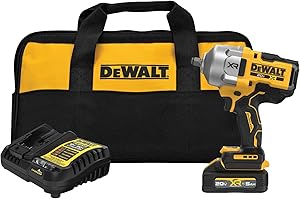
DEWALT 20V MAX XR Impact Wrench Kit
$279.00
Buy on AmazonAs an Amazon Associate, AutoAnvil earns from qualifying purchases at no extra cost to you.